
The Reiner and Kimel family
©Private property of the Rinat family
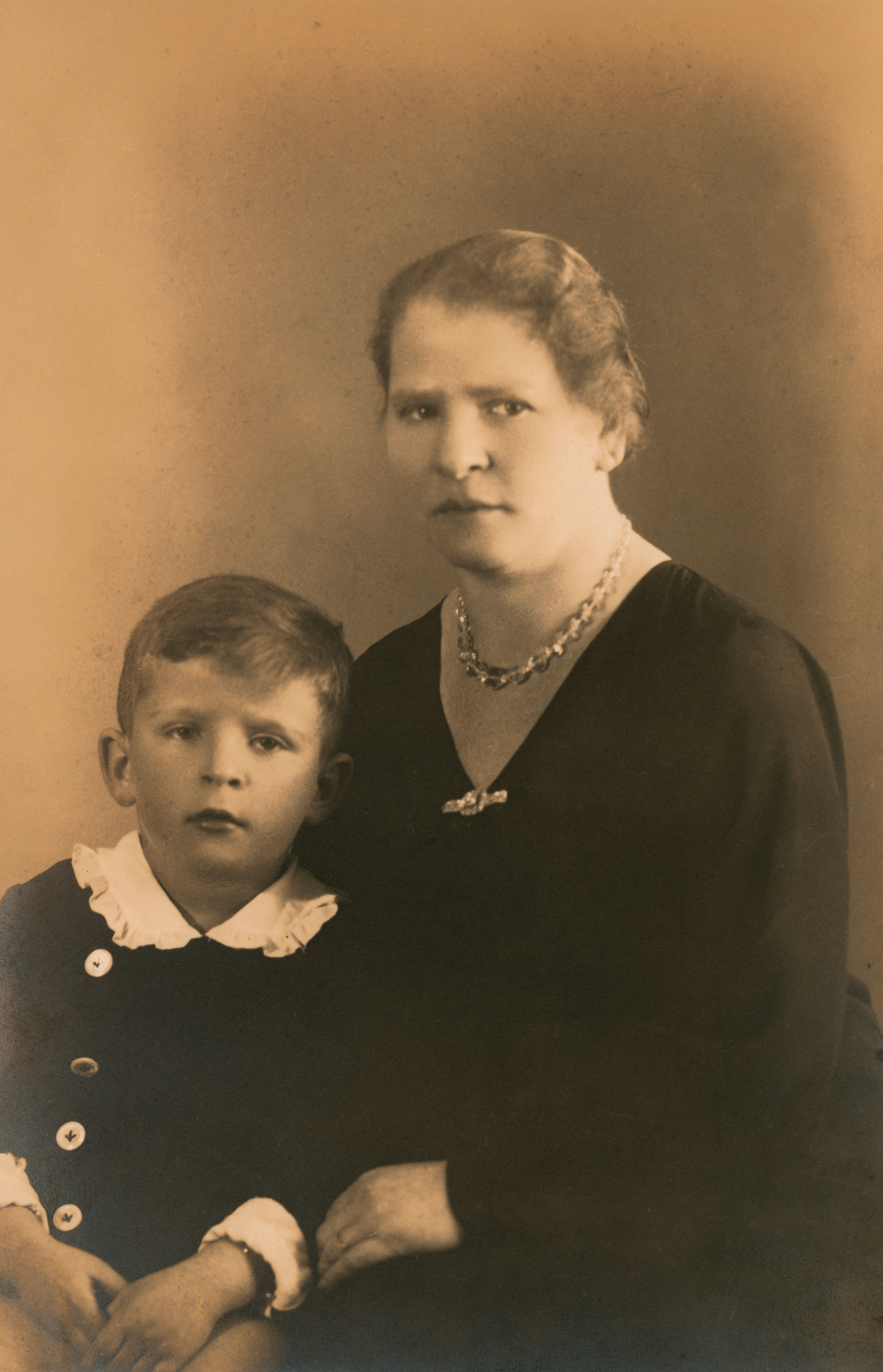
In 1930, when my cousin Sol was one and a half years old, his parents separated. His father, Felix Kimel, stayed in Berlin while his mother, Aunt Eva, and Sol came to Amsterdam and moved in with my parents and me.
My parents welcomed the addition of two people, despite being new immigrants from Poland themselves, living in rather cramped housing during an economic recession.
Two years later, my brother Marco was born, and we moved to a newly built larger apartment.
©Stadsarchief Amsterdam / Maatschappij Rembrandt, No. PRKBB00136000002, copyright-free
©Private property of the Rinat family
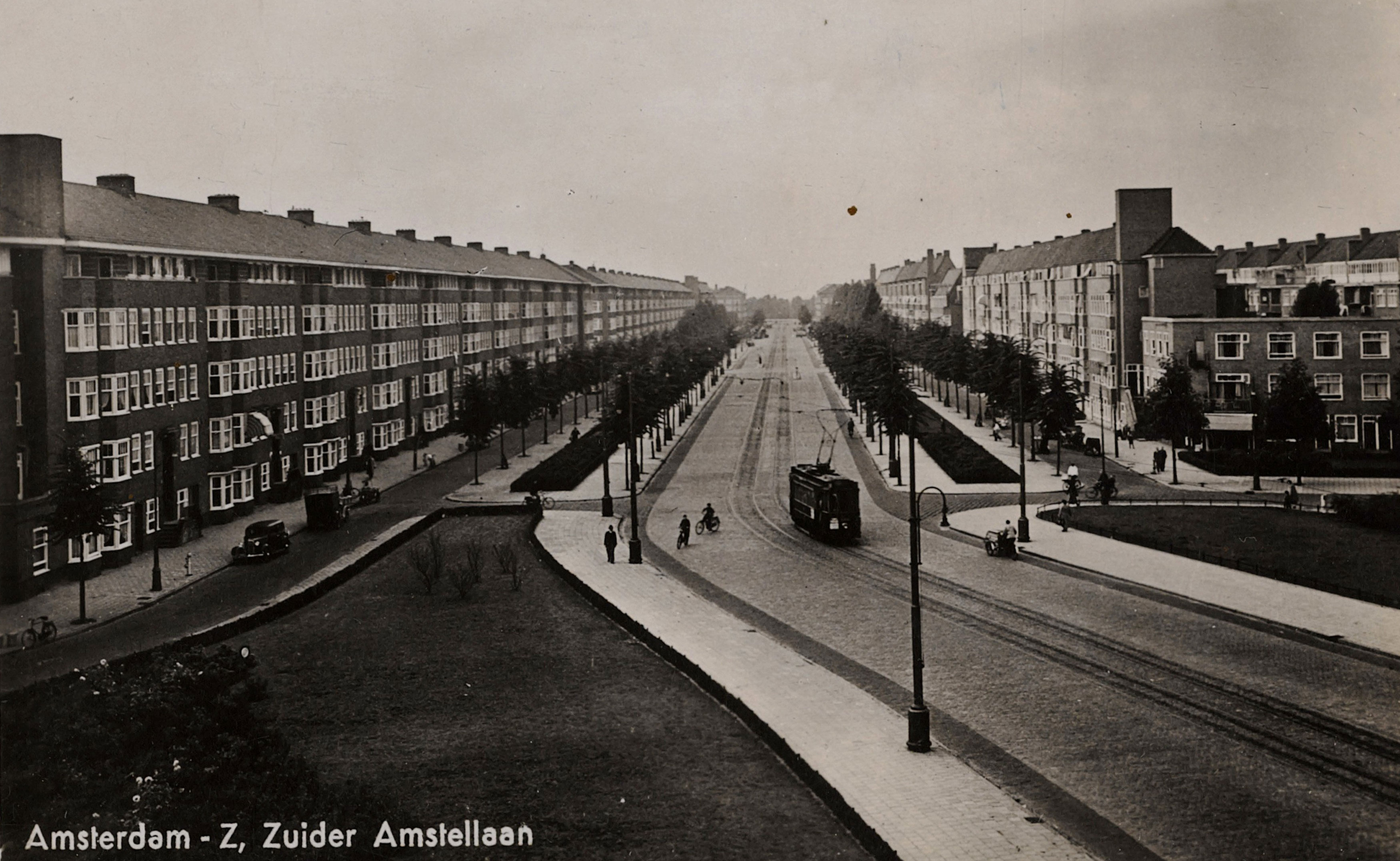
In 1932, we moved to a larger apartment on Zuider Amstellaan.
I remember wandering around the new apartment as if in a maze, exploring its rooms and its hidden secrets. The living area was on the first level and included a living room, a dining room and a study, as well as the kitchen. The second floor included the bedrooms: a room for father and mother, Marco’s room, and a room for Sol and me. Aunt Eva lived on the third level. I went down with Sol to play in the sand that the municipal workers poured in front of the house. It was a big attraction. Shortly afterwards, they laid the tram tracks on the sand.
©Private property of the Rinat family

©Private property of the Rinat family
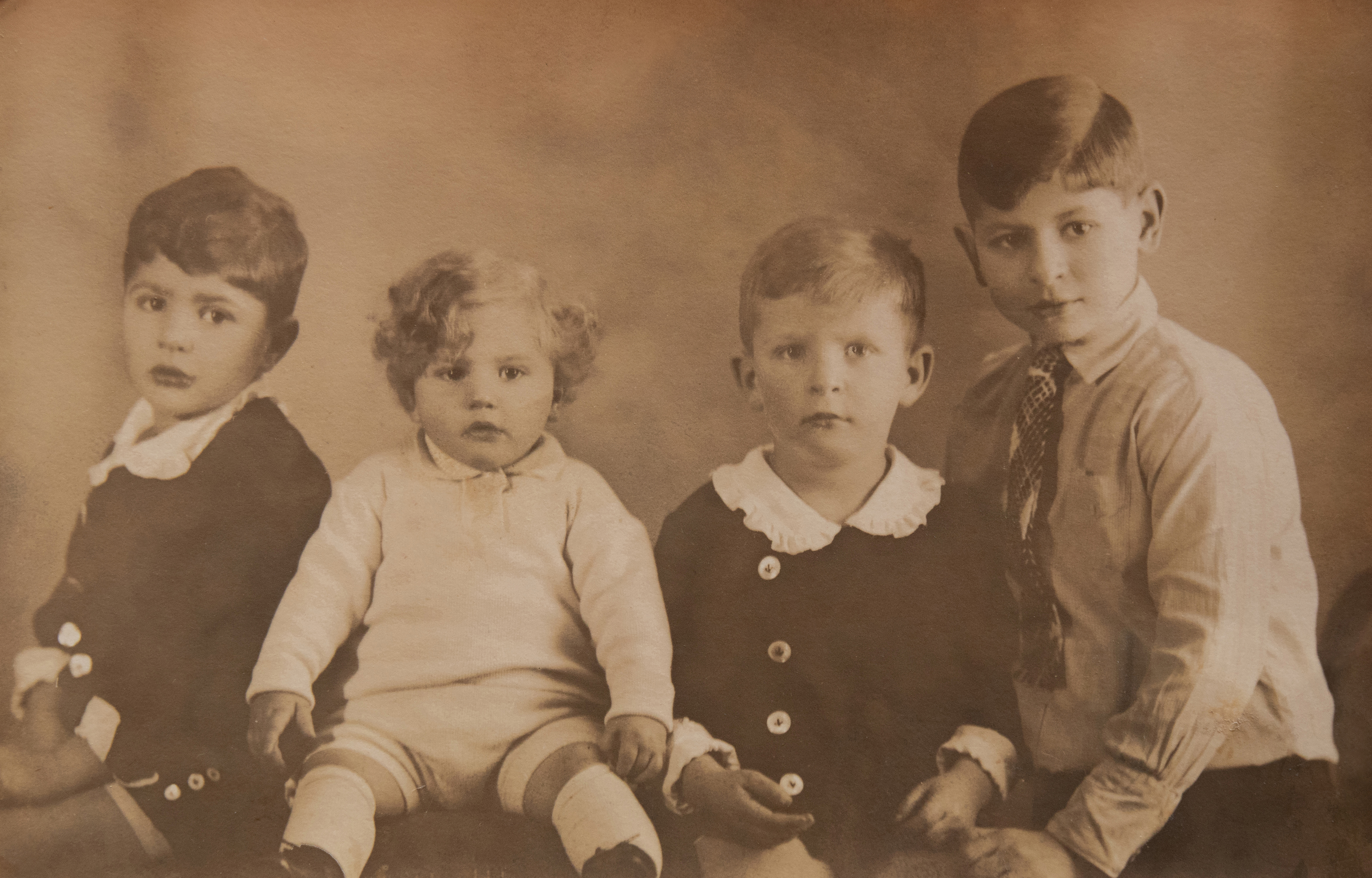
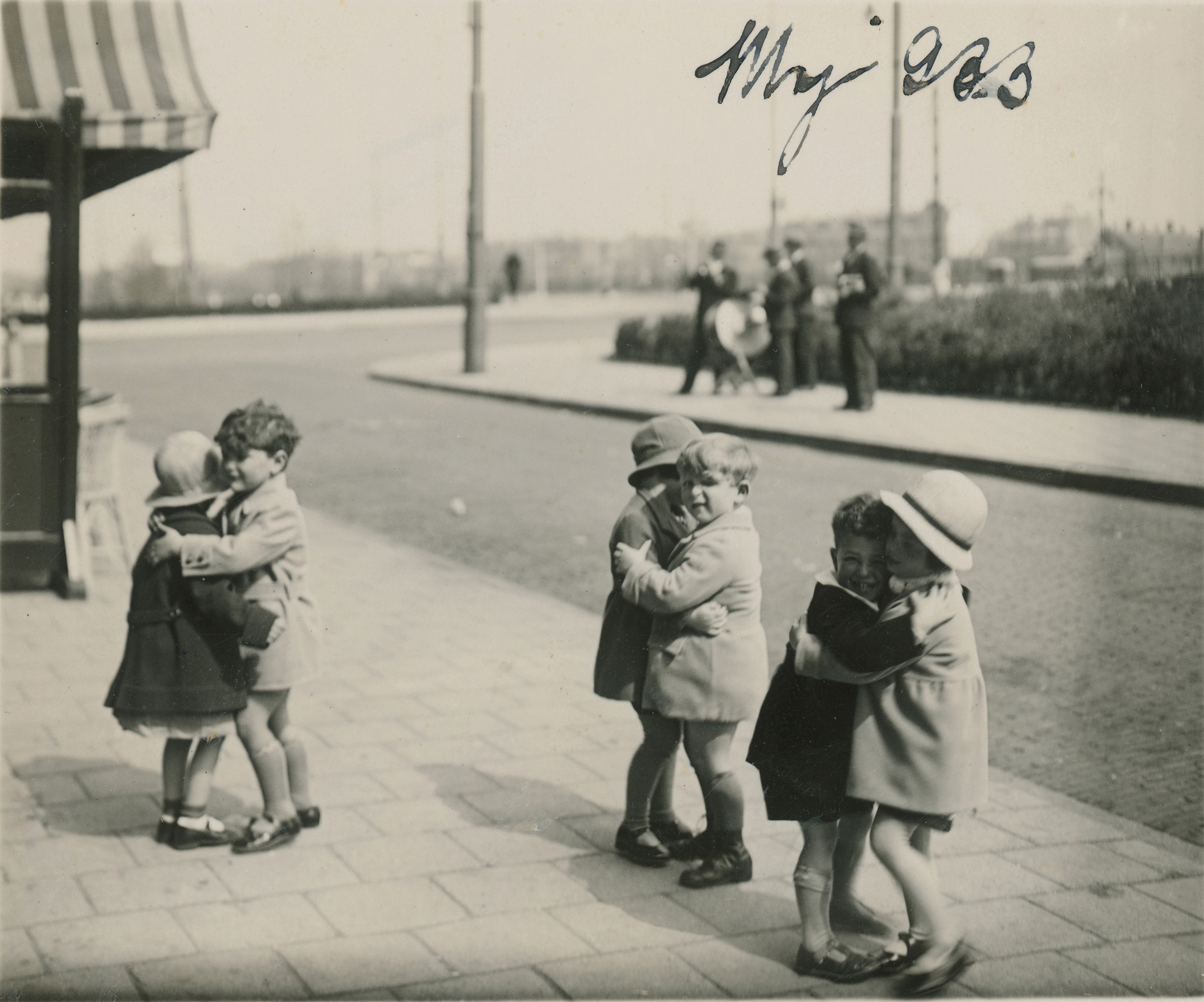
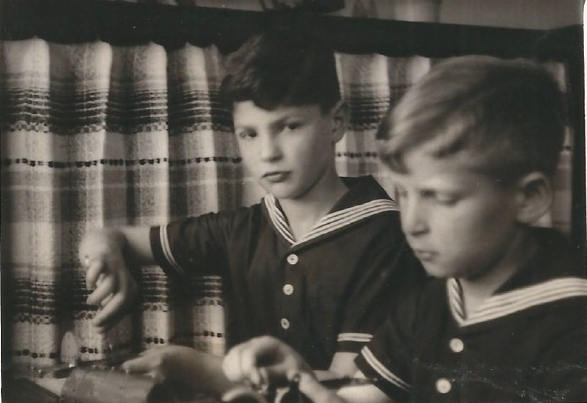
Sol and I grew up as twin brothers and were best friends, a friendship that continues to this day. We did everything together. We wore identical clothes which Aunt Eva sewed for us, while mother cooked and baked in the kitchen. Aunt Eva worked for a living sewing and designing clothes. The good relations and cooperation between the sisters were reflected in their care of us and in the management of the household. While mother took care of little Marco and prepared a meal, Aunt Eva occasionally took Sol and me for a “big boys” outing. And when Marco grew up, she took the three of us.
©Private property of the Rinat family
©Private property of the Rinat family
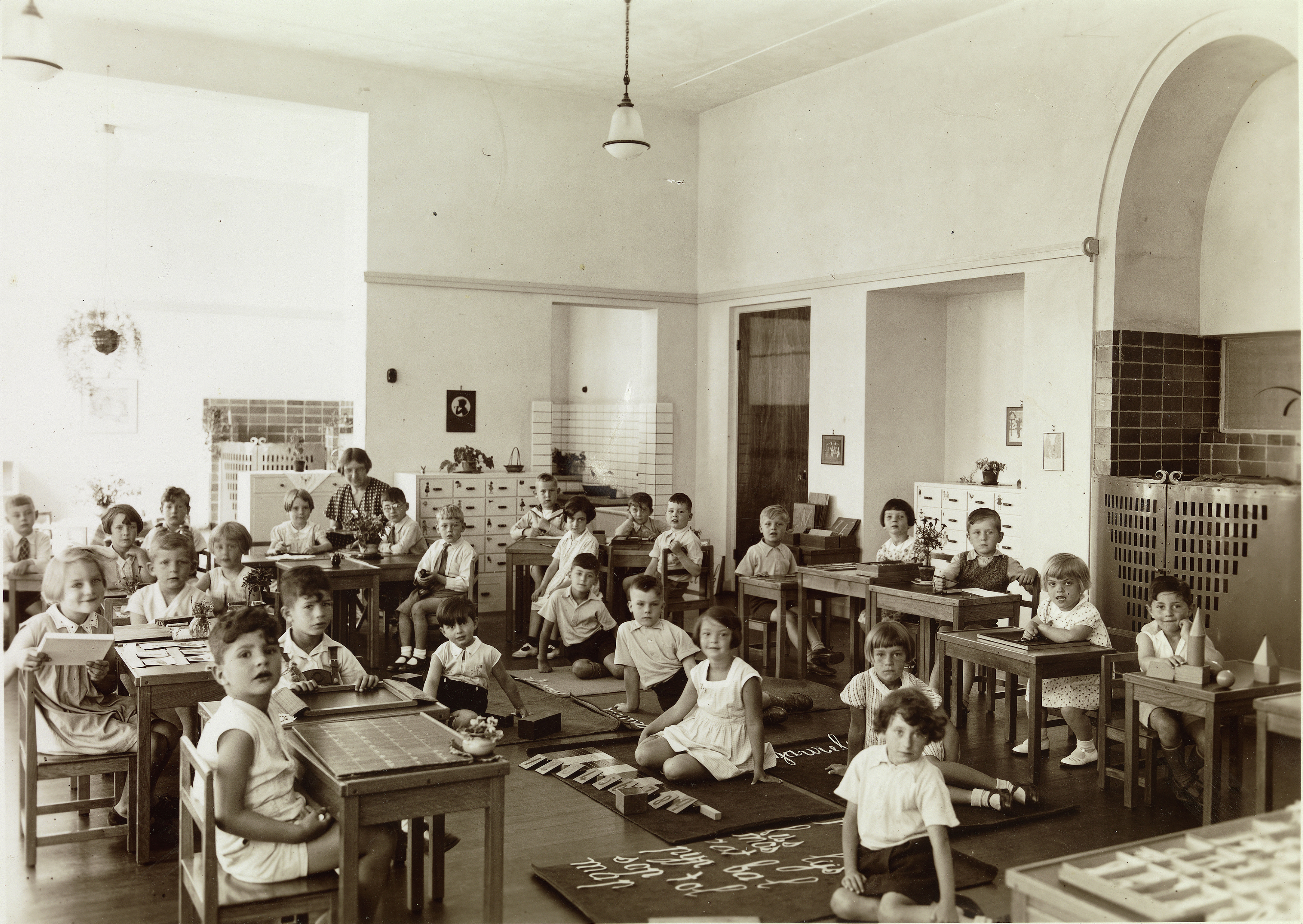
Mother sent us to the school that was in our neighborhood, and which many children from the Jewish community attended. It was an elementary school based on the Montessori method of education. Children from three age groups studied in one class, and each child learned according to his or her skills and pace. We did not sit in rows, and we could choose which subjects we wanted to study. Mrs Couperus, the principal, always welcomed us at the school entrance. She greeted each student by name and shook his or her hand. She was quite stern, and we were a little scared of her.
Our favorite game was Meccano, an assembly and construction game whose components were made of metal. On every birthday or on Chanukah, we would get additional components for the game, with which we would make new shapes following the instruction booklets or as we wanted.
©Private property of the Rinat family
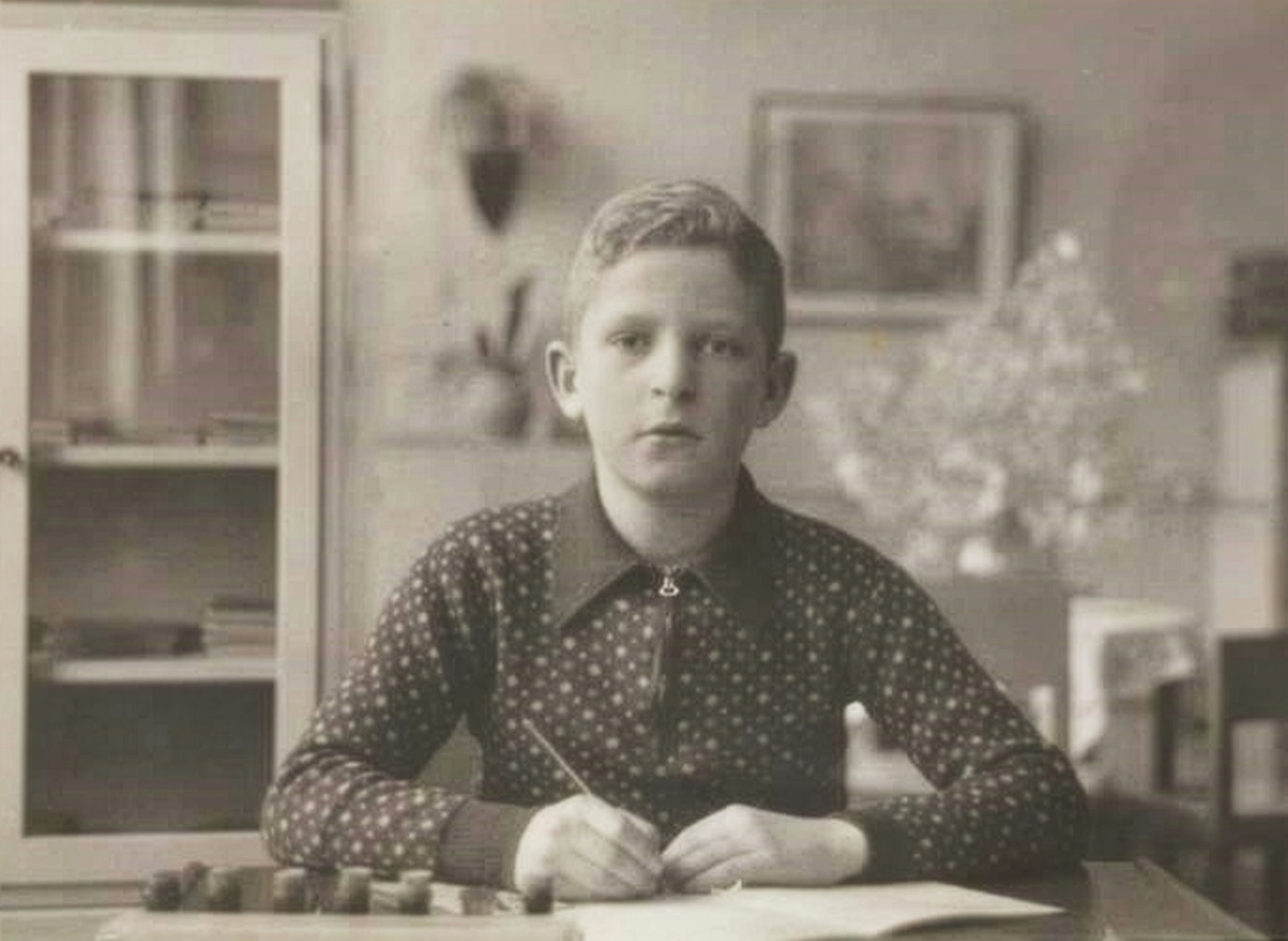
Because the education at our Montessori school was general and non-Jewish, my parents arranged for additional Jewish studies. Initially, we went on Wednesday afternoons to a Jewish school in the neighborhood, where we took religious studies. When we turned 9, a Polish Jew named Mundstück came to our home once a week to teach us. He was a nice man with an open mind, and he kept very busy, moving from house-to-house teaching children. He had one principle: “For me, there is no liberal Jew or religious Jew. All are Jewish and need to learn prayer, Gemara, Tanach and Hebrew.” He would spread the books on the table at home and teach.
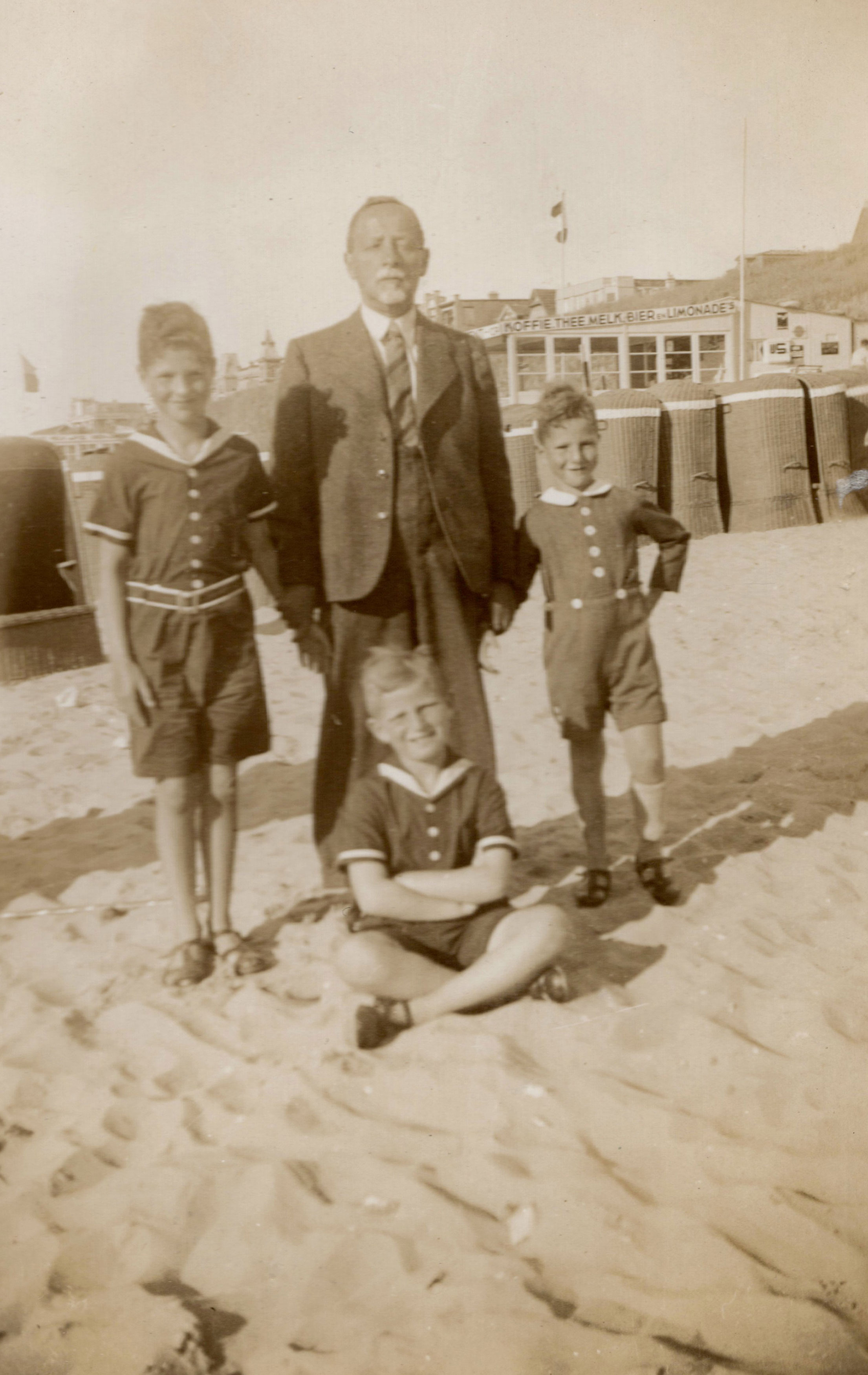
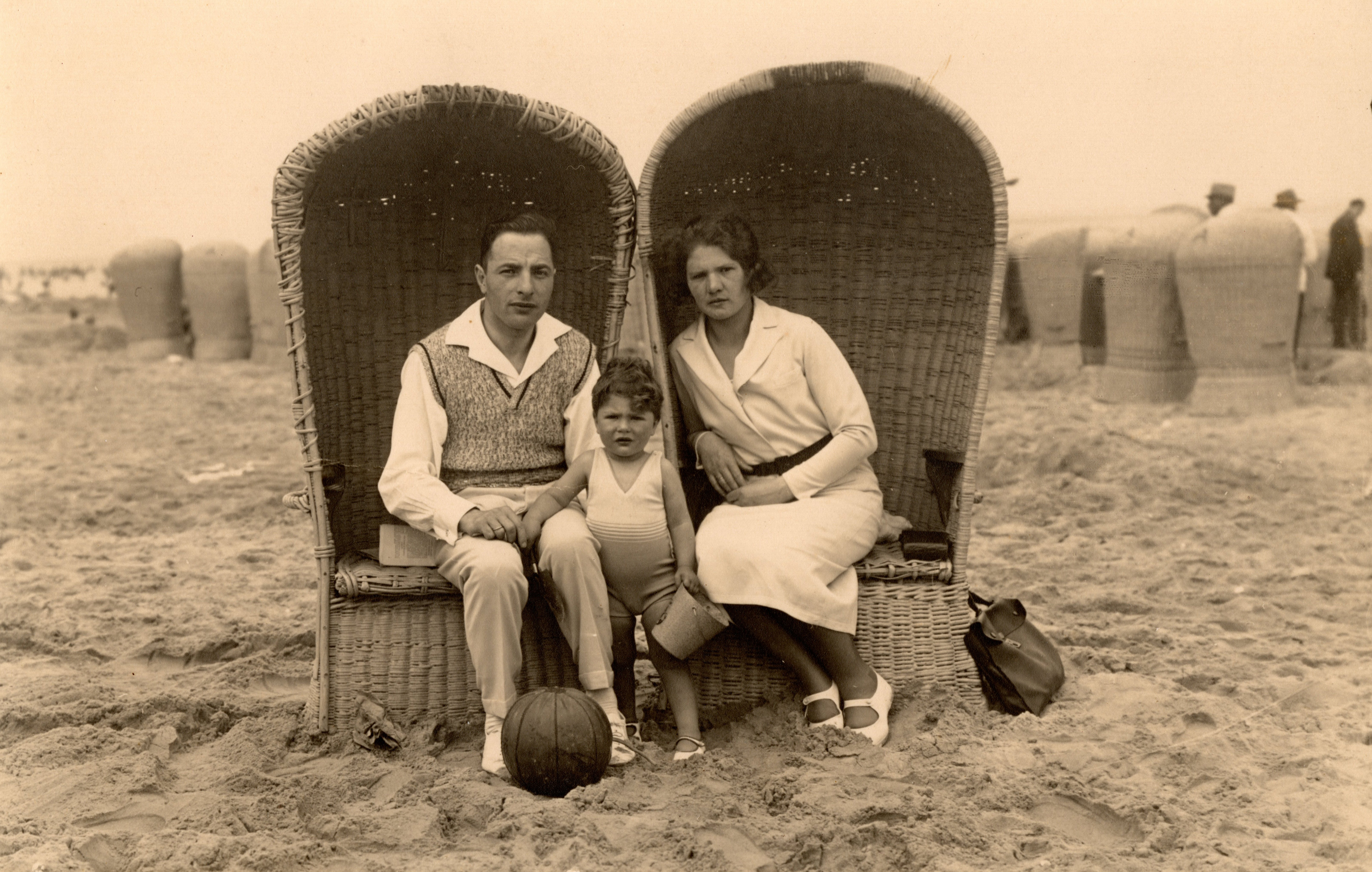
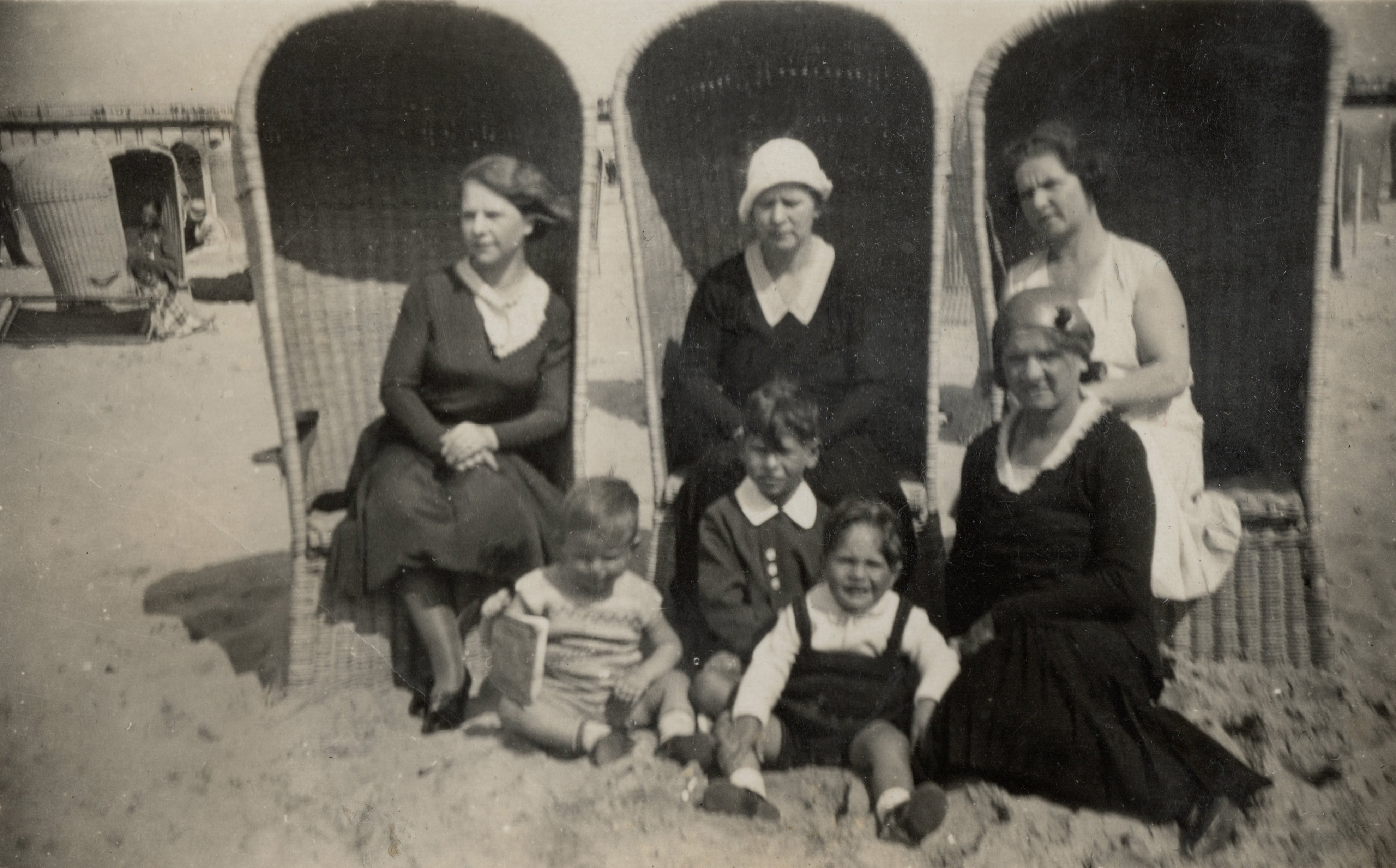
A year later, in 1938, Grandpa Ephraim came from Kraków to visit us, and we were very surprised to learn that our dear grandfather did not understand Hebrew at all. All our attempts to speak Hebrew with him came to nothing. He didn’t really understand us, and he was surprised that we couldn’t speak Polish. The whole family, together with Grandpa Ephraim, went on vacation to Scheveningen. We went swimming in the sea and had fun, but we weren’t really with him because we couldn’t communicate with him.
©Private property of the Rinat family
One day we (were) asked to write a letter to family in Krakow. Since Polish or (written) Yiddish was beyond our competence, the choice, naturally, fell on our presumed ‘fluency’ in Hebrew. Kids our age mostly used some standard opening sentence like:
“I am OK and I hope you are OK too”
In Dutch, this is written as:
“Ik maak het goed en ik hoop U ook”
Translating the beginning was easy:
אני בסדר ואני ... שגם אתם בסדר
The unknown word ‘hoop’ was no problem because we knew how to use a Dutch-Hebrew dictionary. However, instead of looking for ‘hopen’ (to hope) we stayed with “hoop” (ערמה). The rest of the letter was of similar literary quality. Fortunately, before sending the letter off, we showed it to Mr Mundstück, who laughingly made some corrections.
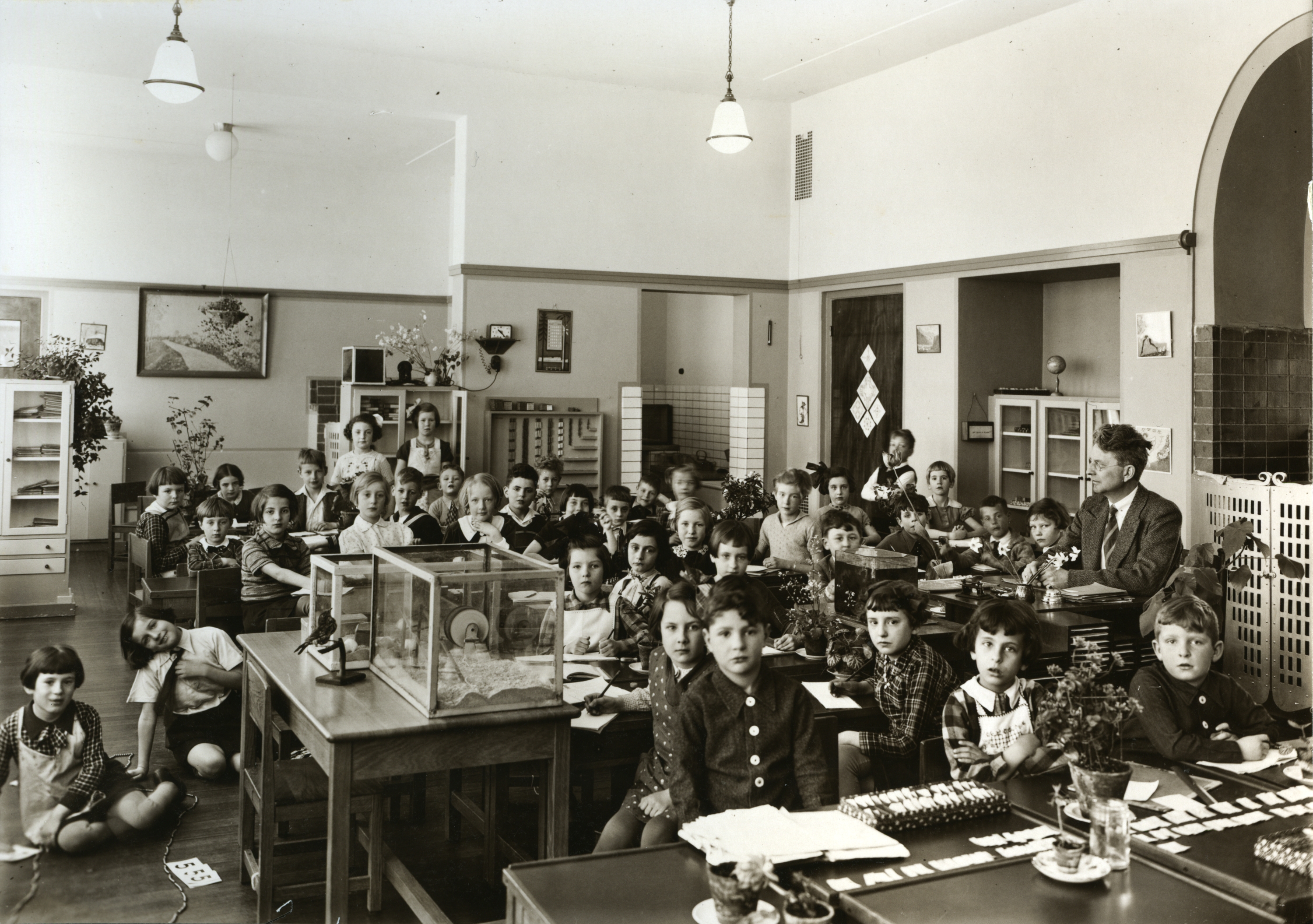
©Collection Anne Frank House / photo: J.M. Bakels
When Sol and I were 11 and 10, we learned to swim by the method used in those days, in the pool near the south promenade. There was an indoor pool, and learning how to swim was considered mandatory in the Netherlands. The method was amusing: the instructor held a wooden pole above the water, fishing rod-like, from which a line was attached to a wide belt. With the belt tied around my chest, the teacher led me with the pole while instructing me how to move my legs and hands and what to do with my head. Only when he was convinced that I understood, he released the belt, and I started swimming on my own. It was great fun.
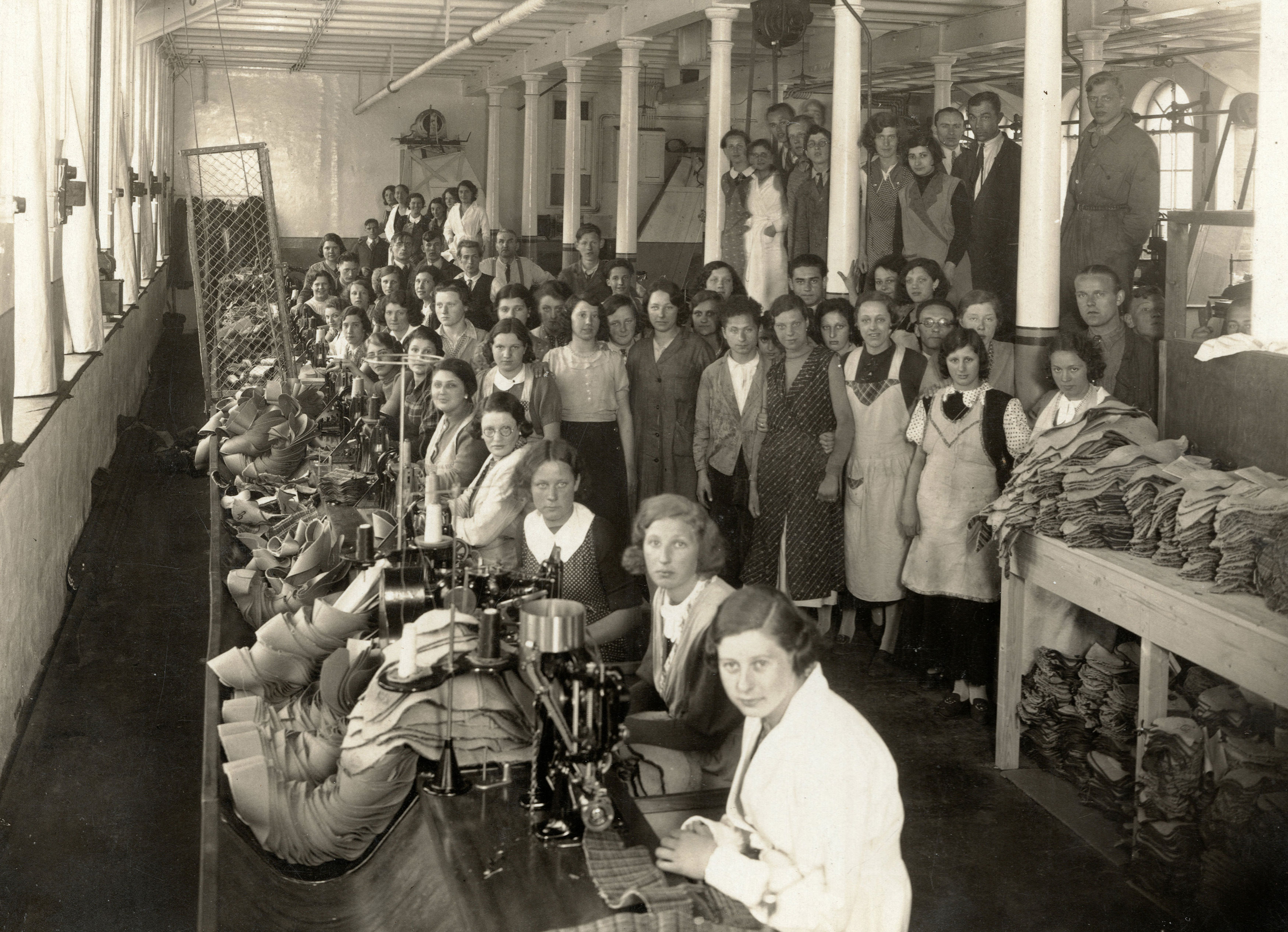
©Private property of the Rinat family
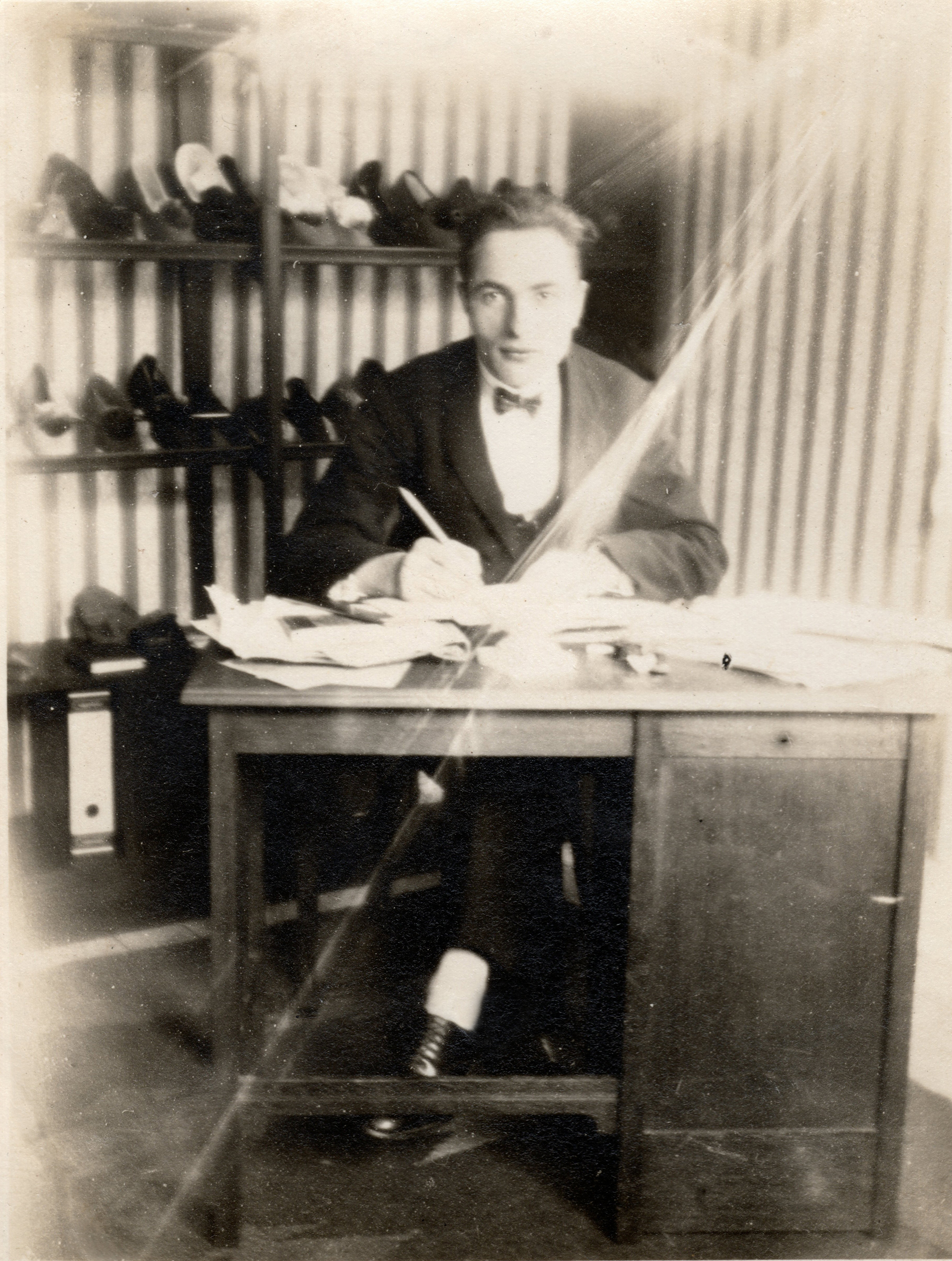
©Private property of the Rinat family
In time, Father established himself and became a successful representative of a company that traded in hides. Thanks to his talents and diligence, a driver and a car were made available to him to enable him to conduct his business with his many customers. In 1935, he and his brother-in-law Moishe Obstfeld, the husband of his sister Renée, decided to set up a factory named Rynco for the manufacturing of slippers and summer shoes. This was the period after the Great Depression, and it took considerable courage to give up a good job for the uncertainty of a new business. The brothers-in-law divided the work among themselves, with Father responsible for buying leather and raw materials and for sales.
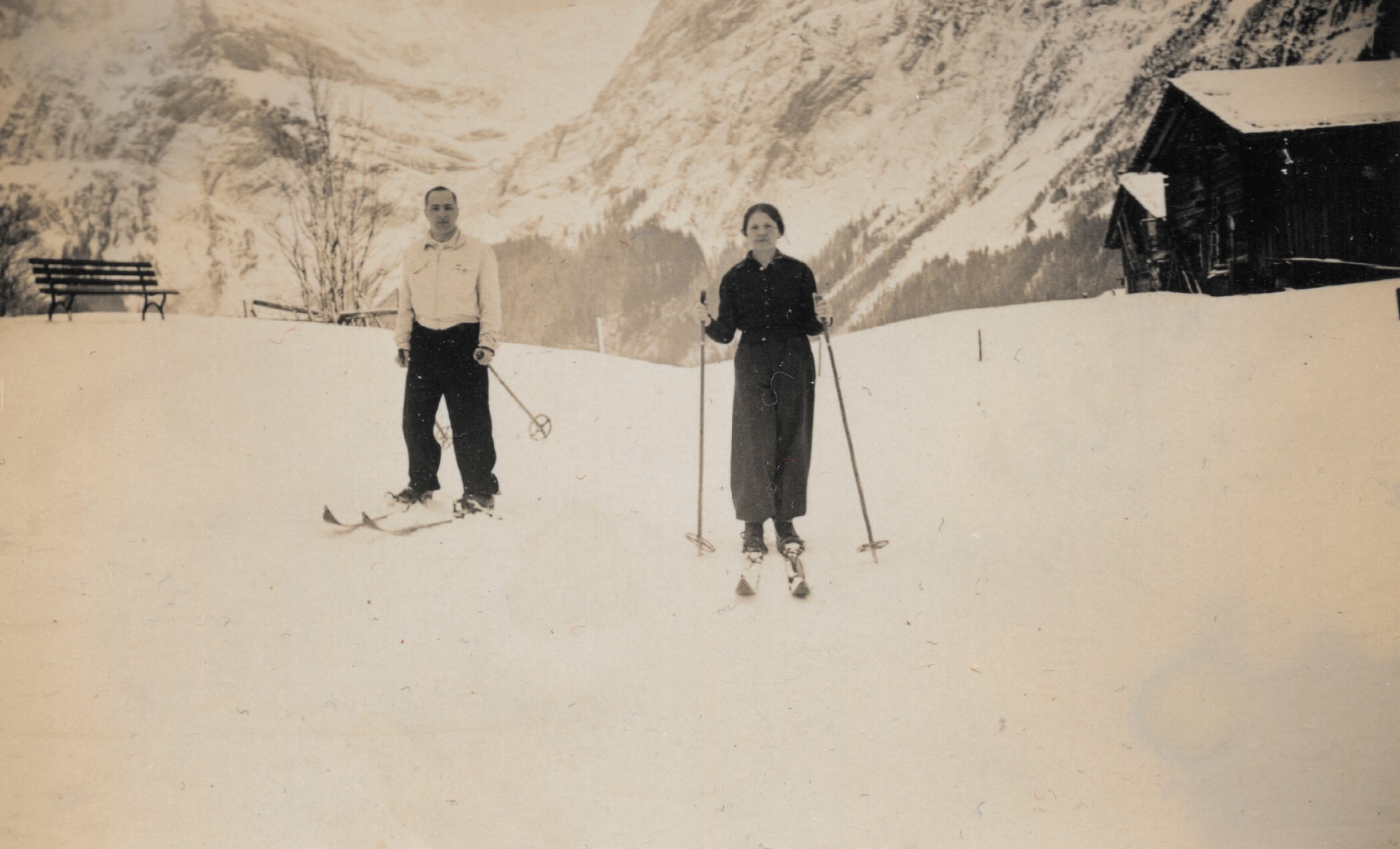
©Private property of the Rinat family

©Private property of the Rinat family
©Private property of the Rinat family
©Private property of the Rinat family