
The Tal family – Fré, her parents and the family business
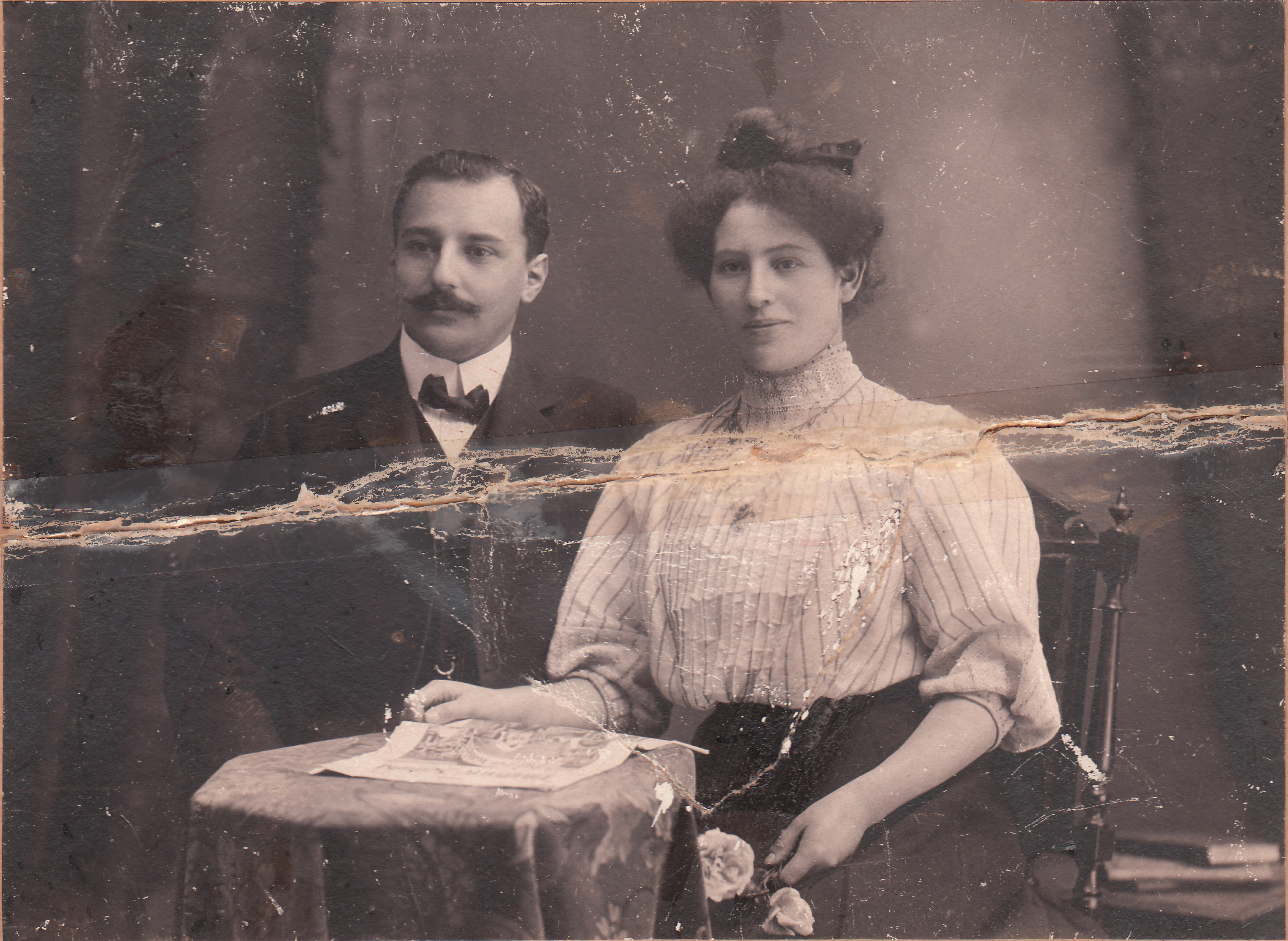
©Private property of the Tal family

©Private property of the Tal family
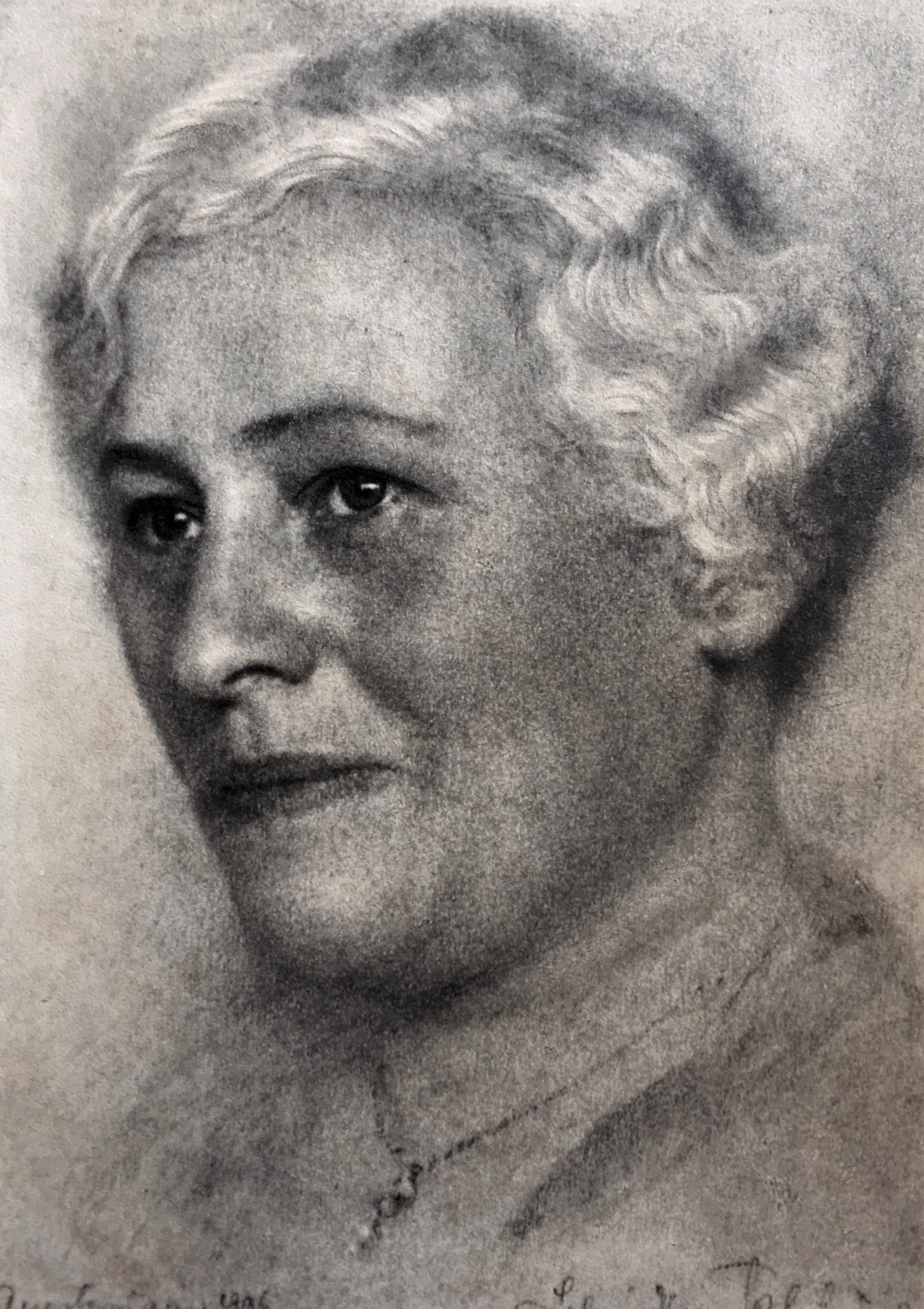
©Private property of the Tal family

©Private property of the Tal family
Jacques Vaz Dias, Fré’s brother, tells in his Silk Thread:
Chanan, No’omi and Ruth’s grandparents on their mother’s side were Jacob Vaz Dias and Ronetta Elzas (Netta).
Netta Elzas was fair and blond, and the dark Portuguese Jews in Amsterdam wondered who this gentile “goya” was that Jacob Vaz Dias had taken to be his wife.
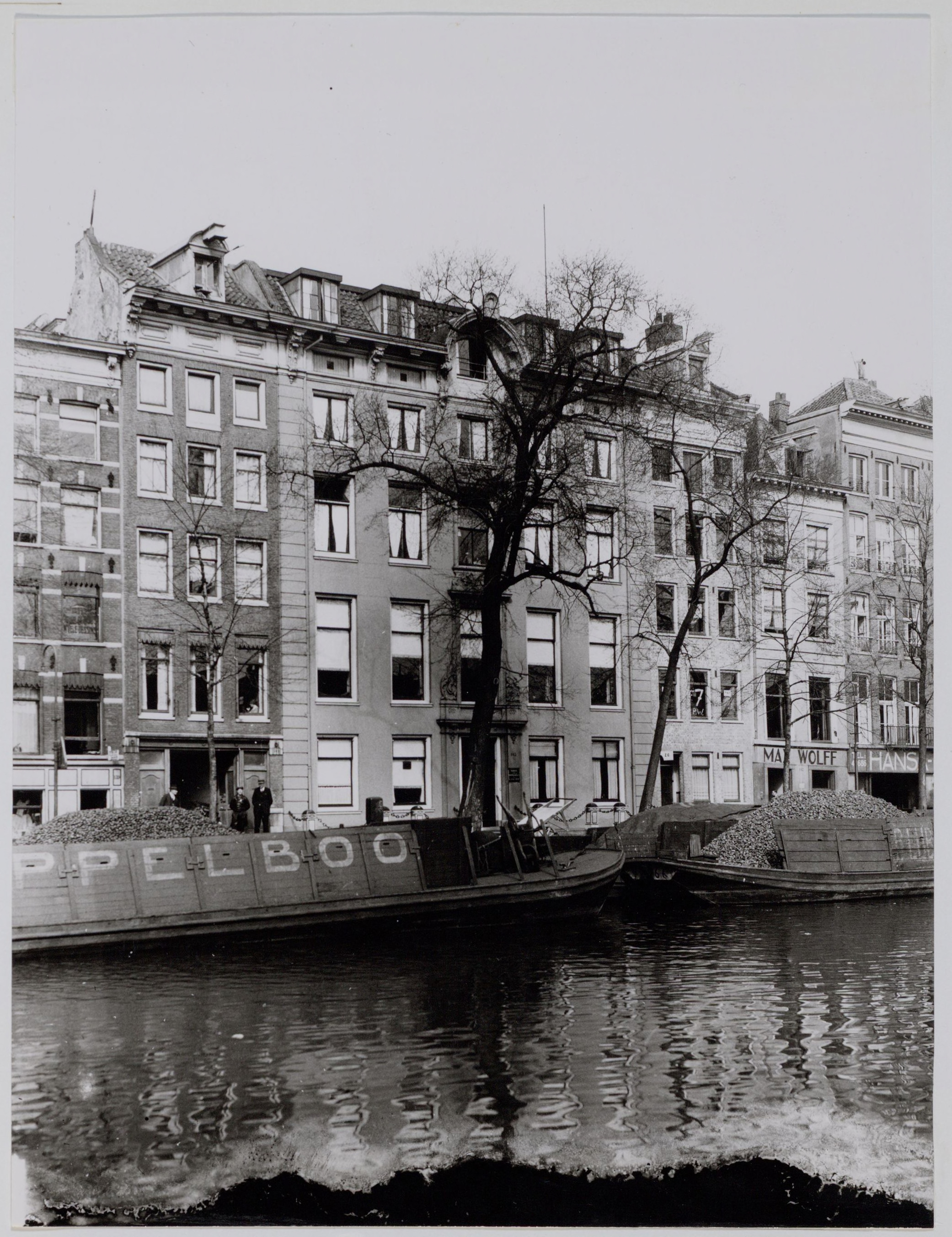
The family lived on Maarten Jansz. Kosterstraat 2. Jacob Vaz Dias founded a wholesale agency and trading house for picture framing and all related equipment, especially the rods from which the frames were cut. He was a supplier to galleries, art shops, photographers, etc. When the business grew, in 1912, he bought a house near one of the city’s many canals, Nieuwe Herengracht 147, which was close to the Jewish Quarter.
Jacob was low in stature and prone to be overweight. To lose weight, he learned at the age of 42 (!) to ride a bicycle with the help of a man from the bicycle agency who grabbed the seat and ran with him around Amsterdam... Later, he also learned to swim... Attached to a fishing rod as a fat fish with a belt around his belly...
Jacob contracted heart disease and kidney failure and suffered greatly and died on 7 September 1928 at the age of 49.

©Private property of the Tal family
Our mother, Frederika, was born on 19 April 1909 and was called, in short, Fré.
Little Fré went to Wilhelmina Catharina Elementary School. She attended a high school for girls and a school for social work in Amsterdam.
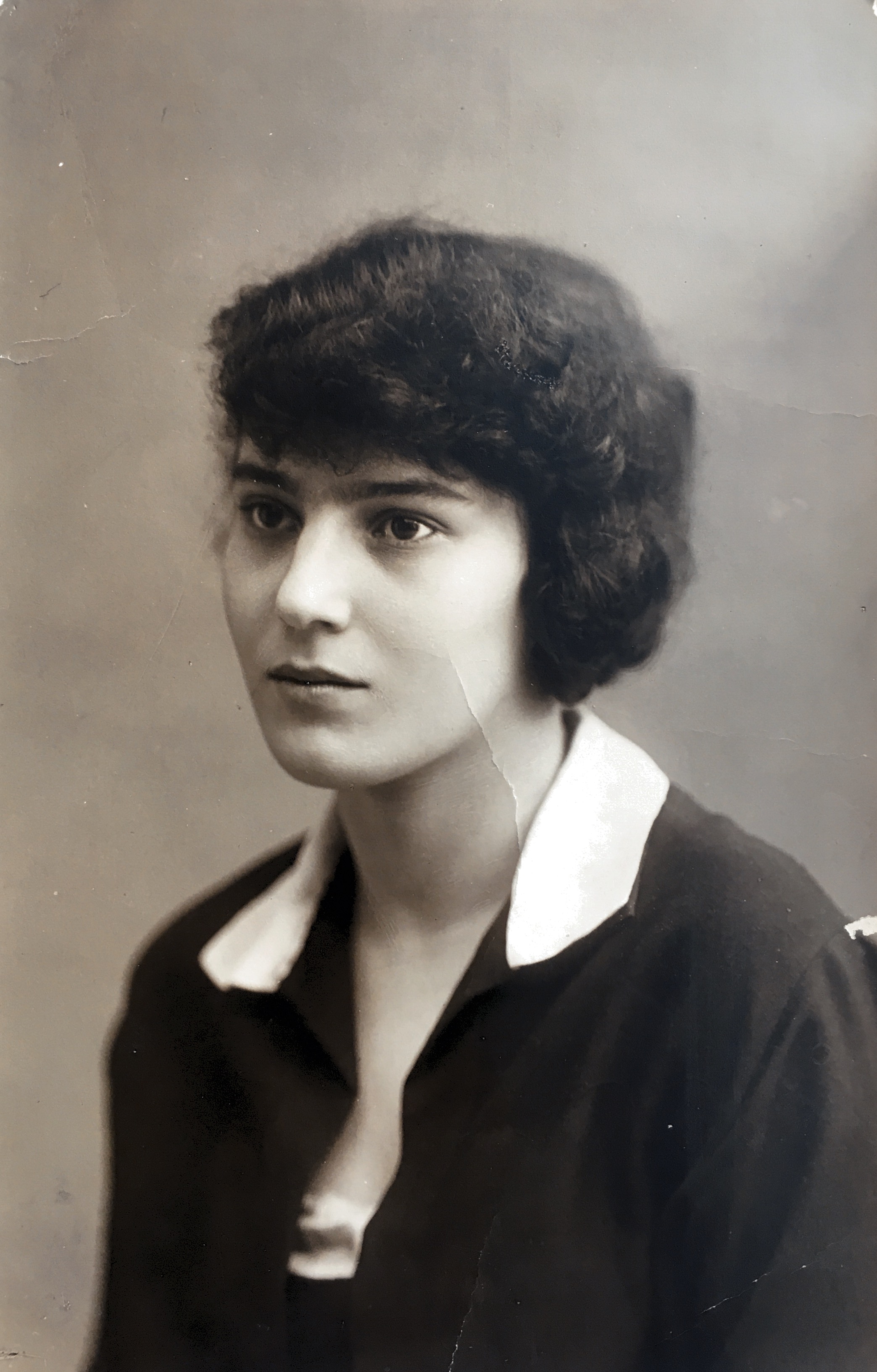
©Private property of the Tal family
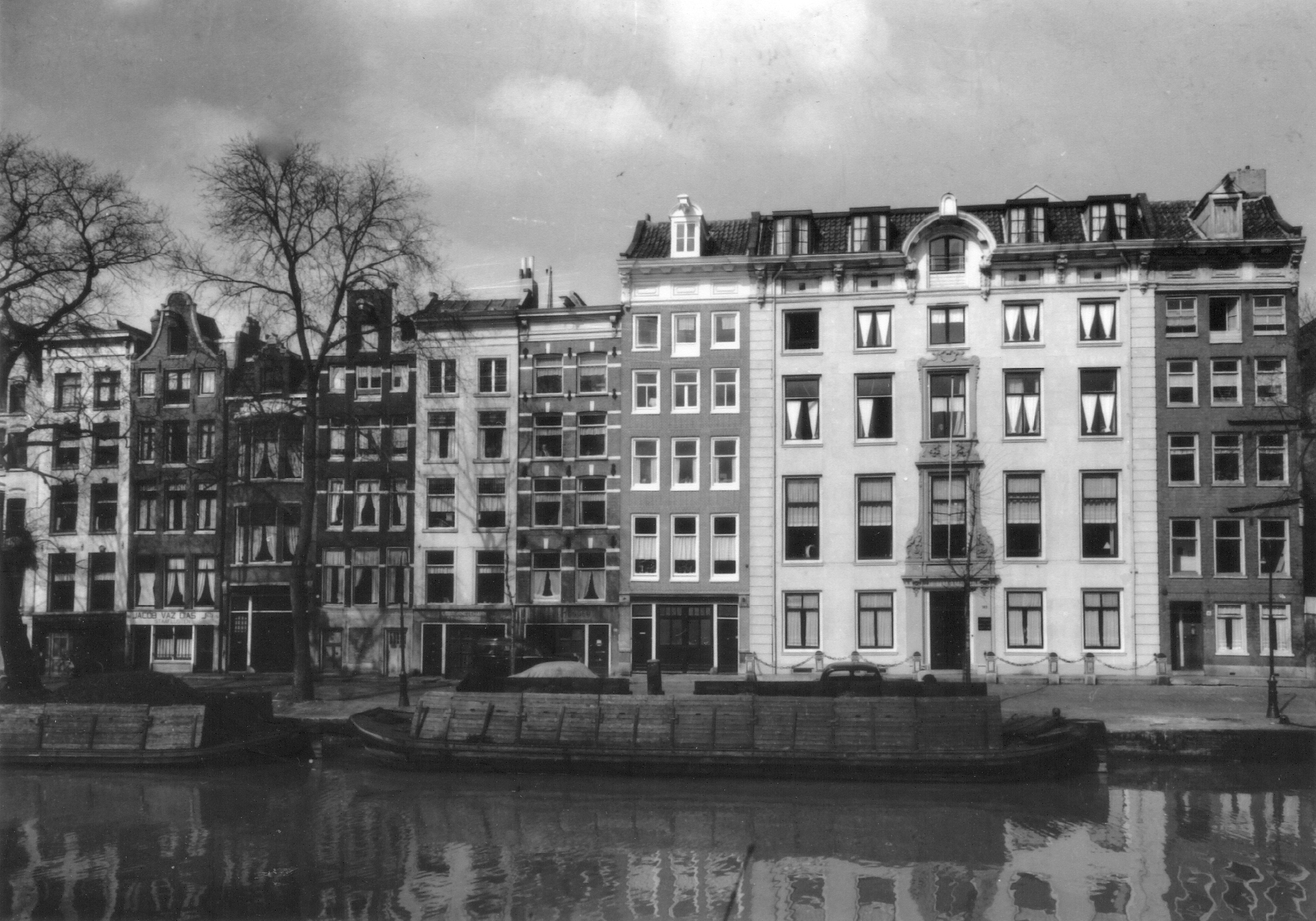
©Stadsarchief Amsterdam, No. 010009004530
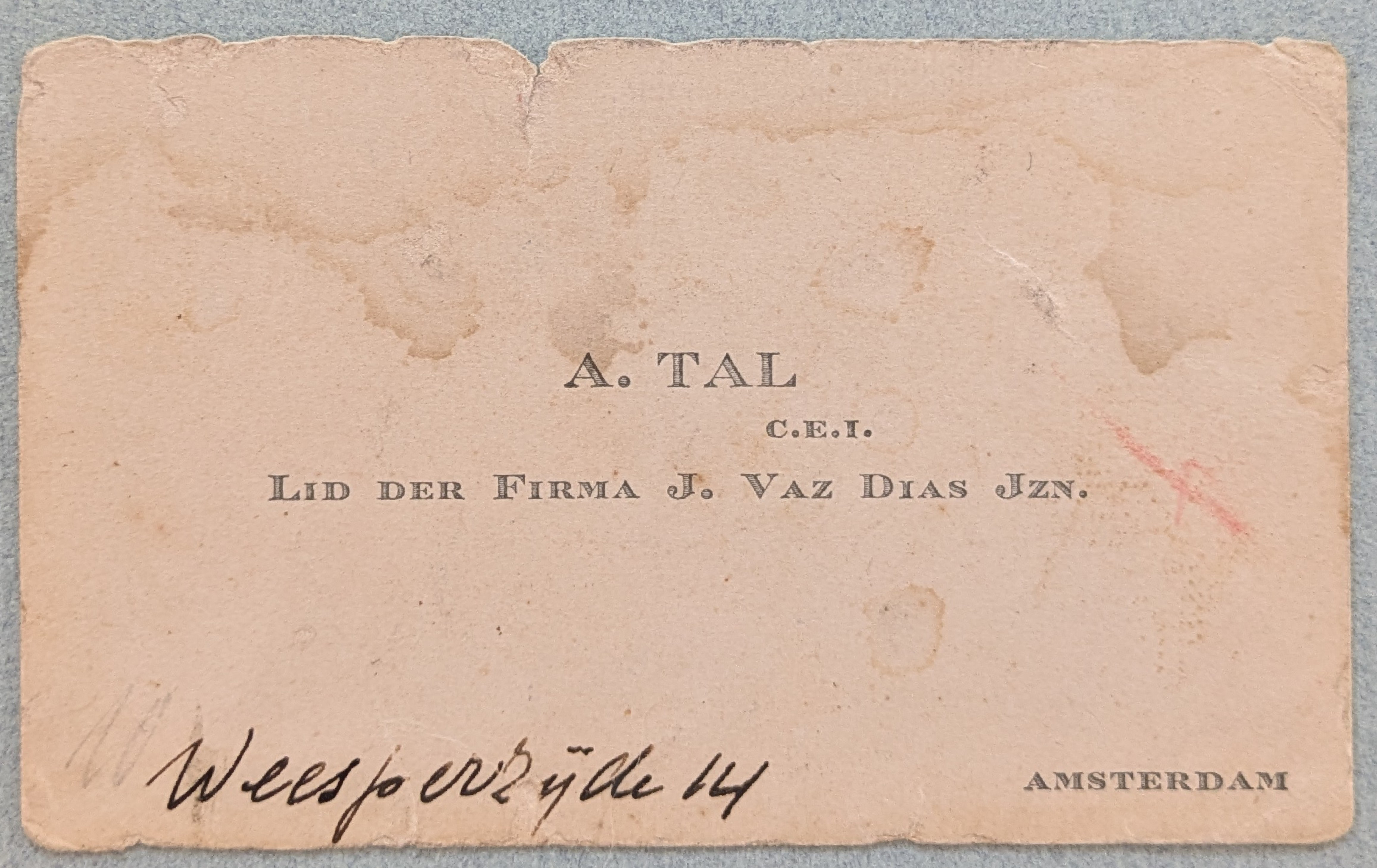
Our grandfather Jacob Vaz Dias established a wholesale trading house for materials and accessories for framing pictures “Jacob Vaz Dias” (which still exists to this day). In 1927 he contracted heart and kidney disease. Since he knew he would not live long, he went to arrange his affairs for the day that he would no longer be. Mother’s brother, Uncle Jacob, was too young to take responsibility for the company his father founded. Therefore, Grandpa Jacob suggested that our father stop his studies in Delft temporarily, marry his fiancée, and take over the running of the business. Sander agreed. The business was thriving and promising when Sander started working there. Unfortunately for him, within a year of taking office, “Black Thursday,” the nickname of 24 October 1929 (coincidentally Sander’s birthday), was the day the New York Stock Exchange collapsed, a collapse that marked the beginning of the world’s biggest economic depression. The business waned, and revenues shrank because people didn’t have the money to frame pictures. Sander also had a debt to his mother. In 1931, he took out a loan from her, apparently, in order to inject necessary cash into the company and to acquire a partnership there. It was about six years before the economy recovered and business revenues returned to a reasonable level.
©Stadsarchief Amsterdam, No. 010009004531
The residence of the Vaz Dias family was at Nieuwe Herengracht 147, the second house from right in this picture. The house no longer exists because it was dismantled during the war to take advantage of the wood for heating.
©Private property of the Tal family
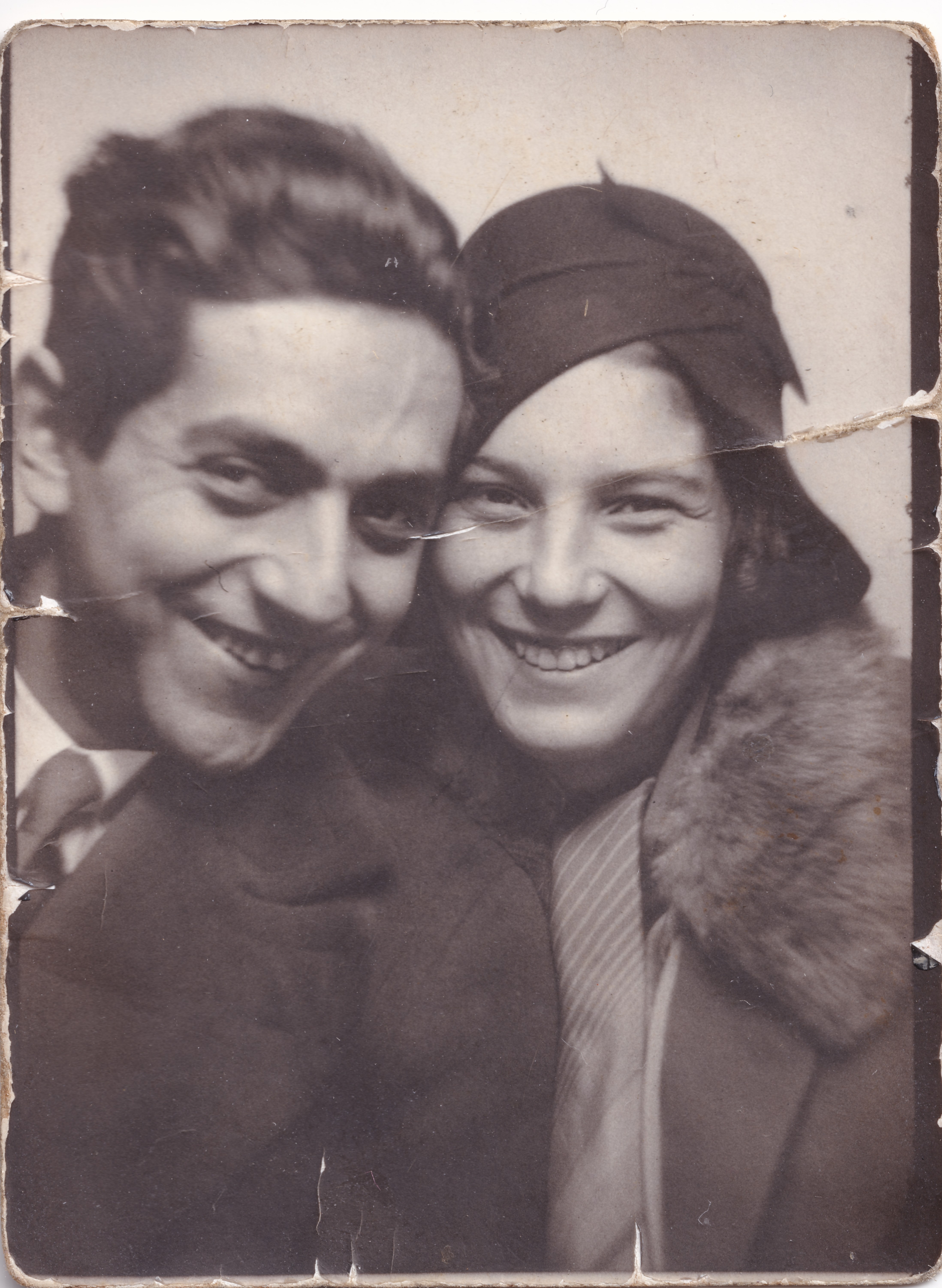
Our parents, Fré and Sander, met at the Zionist youth movement Zichron Ya’acov. They were engaged on 30 May 1928, and an informal ceremony was held, a kind of mutual commitment, with a newspaper ad and a reception at home, all as was customary at the time.
They married on 31 January 1929 when Fré was 19 and moved in with Grandma Tal, who gave them an apartment on the second floor of her house because she wanted Sander to continue living nearby.

©Private property of the Tal family
In 1929, Sander made his young wife and himself a costume for a Purim party. They won first prize, and their picture was published in the newspaper, a good example of his originality and performance ability.
©Private property of the Tal family
It seems to me that in the end, my father was not happy running the business of the late Grandpa Jacob. Working in the field of commerce required him to have a different approach and skills from those demanded by the field of engineering to which he was attracted. He often arrived home at the end of a workday with a bag full of papers, which he would check after dinner. The Depression and the rise of the Nazis to power in Germany in 1933 prevented him from being freed from the commitment he had undertaken in his father-in-law’s business and from fulfilling his professional ambitions in engineering. At the same time, father examined import options for produce from Palestine and tried to persuade people to invest their money in Eretz Israel. This was learned from a letter in Hebrew that he wrote in 1931 to his cousin Shimon in Tel Aviv. It is not known if he had any successes in this area.
©Private property of the Tal family
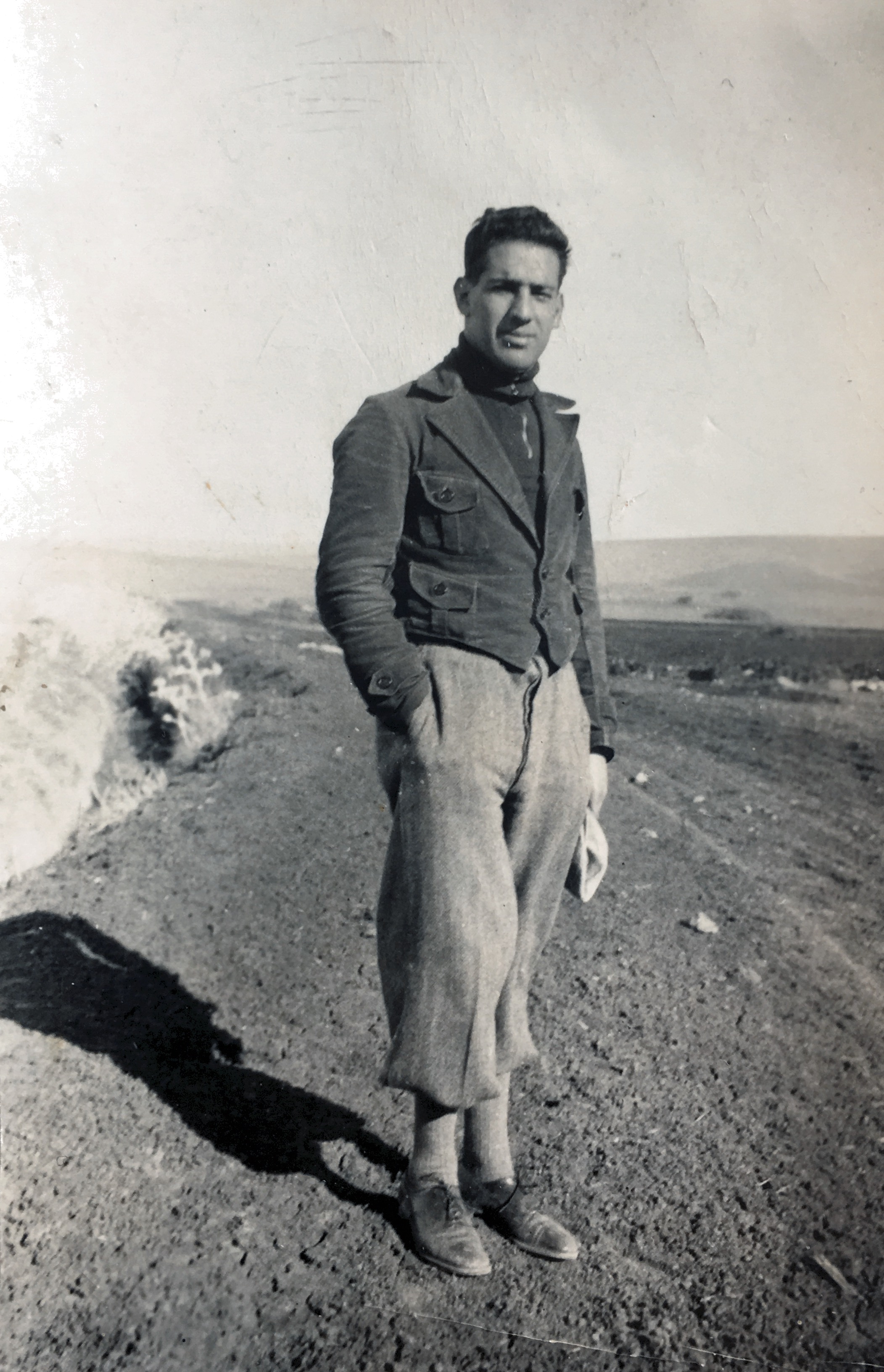
Fré’s younger brother, Jacques Vaz Dias, emigrated to Palestine in April 1936. In the summer of 1933, he began preparing for immigration. Since he was not interested in agriculture, he chose to study furniture carpentry and worked in a carpentry shop for 3 years, while studying drafting and technical subjects related to the profession and building woodwork. In 1936, he received an immigration certificate with the help of a loan of 1,000 Palestinian pounds, became engaged to Helena Hoek, whom he met in the youth movement’s camp, and immigrated to Palestine in April. Helena immigrated in 1937 and they married in Haifa.

©Private property of the Tal family
Our parents also considered immigrating to Eretz Israel. The option was rejected because of the economic crisis. In 1935, my father went to Palestine to find out what options were available for the family if we decided to immigrate to Israel. He realized that before immigrating, he had to finish his engineering studies. When he returned home, Father continued his studies, while working in the business, to receive a certification as an electrical engineer. It involved a regular school year and a submission of final work. Learning and working weren’t easy. Besides, it’d been eight years since Father had done electrical engineering. In the time that passed, he must have forgotten some of the material he had studied and, of course, there were also developments in the profession. 1941 was designated a time for Aliyah, but the outbreak of World War II in September 1939 disrupted the plans. The decrees imposed on the Jews after the German occupation of the Netherlands made studies impossible; the Nazis banned the Jews from traveling, disconnected their phones, and expelled them from the universities. Each of the occupying measures prevented Father from contacting the Faculty of Electrical Engineering in Delft, so, despite his efforts, Father was unable to graduate. Also, more important things than school demanded his attention.